Ban Muang Pon A Cultural Gem in Khun Yuam’s Mountainous Landscape
Ban Mueang Pon: A Deep Dive into Tai Yai Culture and Community-Based Tourism in Mae Hong Son
Ban Mueang Pon, nestled within the picturesque valleys of Khun Yuam District, Mae Hong Son Province, Thailand, is an ancient and vibrant Tai Yai (Shan) community that has meticulously preserved its distinct cultural identity, traditions, and simple way of life. Located approximately 12-13 kilometers from Khun Yuam town, along Highway 108 (Khun Yuam-Mae La Noi section), this village offers an immersive experience into the heart of Tai Yai heritage.
Historical Roots and Etymological Insights
The origins of Ban Mueang Pon trace back to its initial settlement east of the Pon River, at the foot of Doi Wiang. Oral history suggests that a leader named Nai Noi Sri guided the early inhabitants. The name “Pon” itself carries intriguing etymological possibilities:
- It is believed to be a phonetic evolution of “Porn,” signifying a blessed and auspicious town.
- Alternatively, “Pon” might derive from “Phaya,” indicating a significant town or a community governed by a great ruler.
Tai Yai Way of Life and Cultural Preservation
The majority of Ban Mueang Pon’s inhabitants are ethnic Tai Yai, who continue to live a simple, harmonious existence deeply intertwined with their traditions.
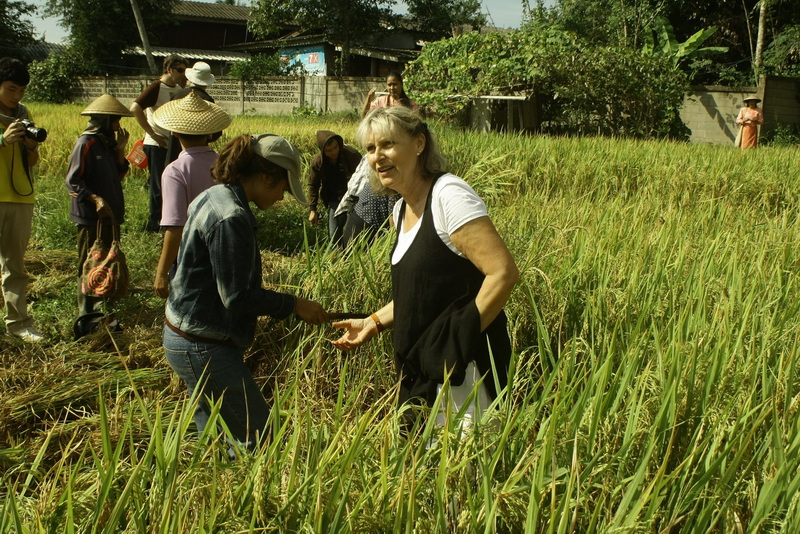
- Livelihoods: Agriculture remains the cornerstone of their economy, with locals primarily engaging in rice cultivation, gardening, and farming. Key crops include rice, garlic, and peanuts. The community also embraces a sustainable rotational farming system.
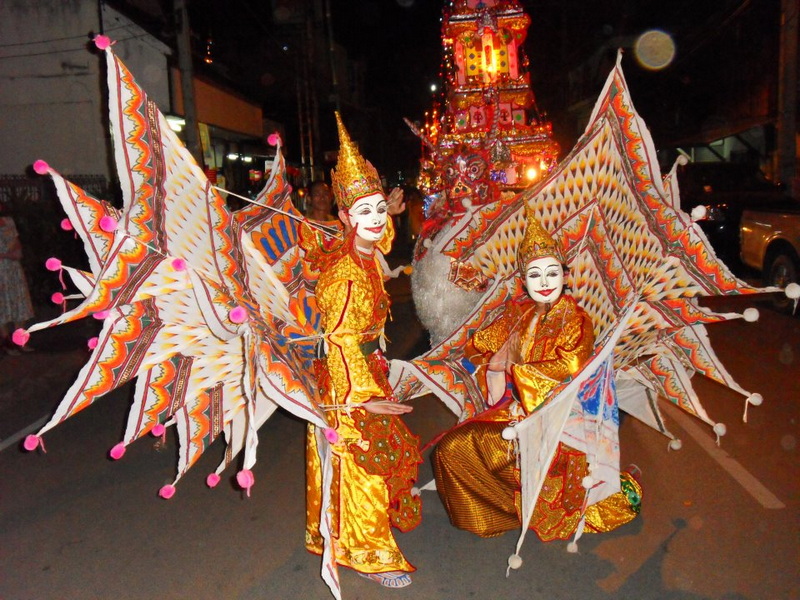
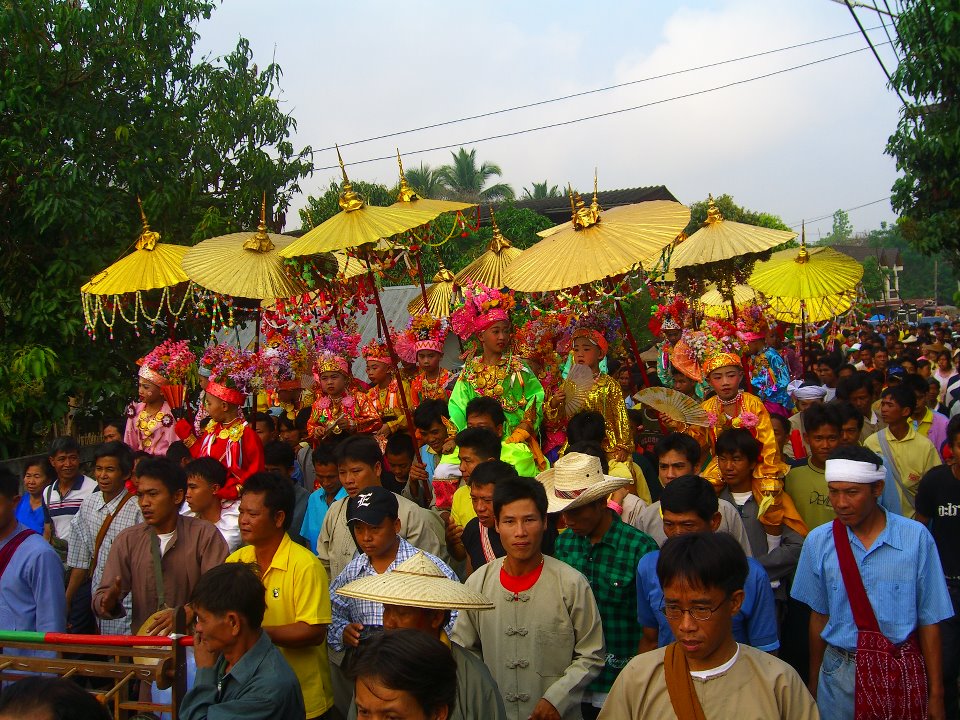
- Profound Religious Devotion: The Tai Yai people of Ban Mueang Pon exhibit deep devotion to Buddhism. They meticulously observe religious traditions and ceremonies throughout the year, following a 12-month calendar of practices. This includes the prominent “Poy Lern Sip Ed” (Ok Phansa) festival, where “Jong Para” are displayed.
- Indigenous Wisdom: The village is a repository of rich traditional knowledge and skills:
- Traditional Tai Yai Massage: A holistic health practice integral to community well-being.
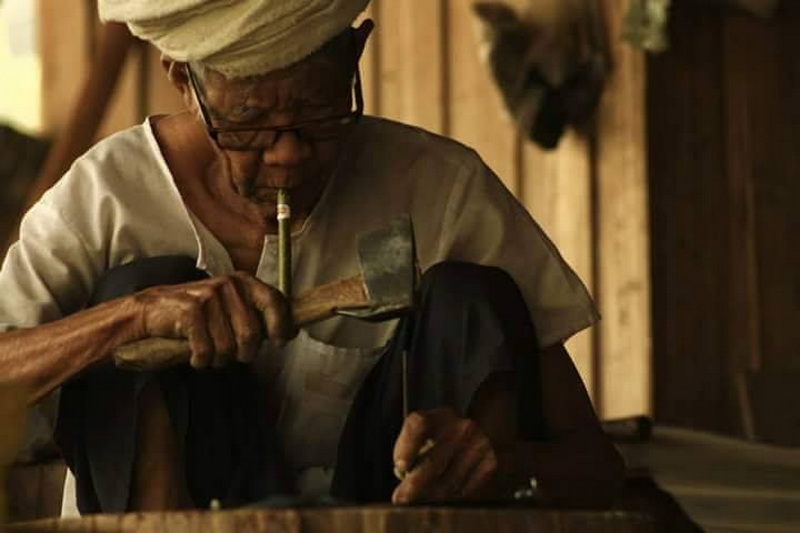
- Tai Yai Weaving and Handicrafts: Expertise in crafting “Kup Tai” (Tai Yai hats) and tailoring “Suea Tai” (Tai Yai traditional shirts), showcasing their unique aesthetic and practical skills.
- Natural Architecture: A distinctive practice involves using bai tong teung (Dipterocarpus obtusifolius leaves), a natural resource from the local forests, for roofing traditional wooden houses.
- Herbal Gardens: Many homes maintain small gardens for cultivating edible plants, herbs, and raising livestock, reflecting their self-sufficient lifestyle.
- Architectural Heritage: Ban Mueang Pon is renowned for its exceptional preservation of Tai Yai architecture. Visitors can admire ancient wooden houses with distinctive designs and explore local temples featuring Tai Yai-style chedis (pagodas), viharns (assembly halls), kutis (monks’ living quarters), and salakarnparien (sermon halls).
- Authentic Local Cuisine: The village offers unique local dishes and snacks. A must-try is “Khao Puk,” a traditional delicacy made from sticky rice flour pounded and kneaded until it achieves a mochi-like consistency, often sprinkled with black sesame seeds and enjoyed with sweet palm sugar.
Community-Based Tourism: An Immersive Journey
Mueang Pon village has embraced community-based tourism to generate sustainable income for its residents while actively preserving and promoting its vibrant Tai Yai culture. It stands as a unique and charming destination for those seeking an authentic and unhurried travel experience.
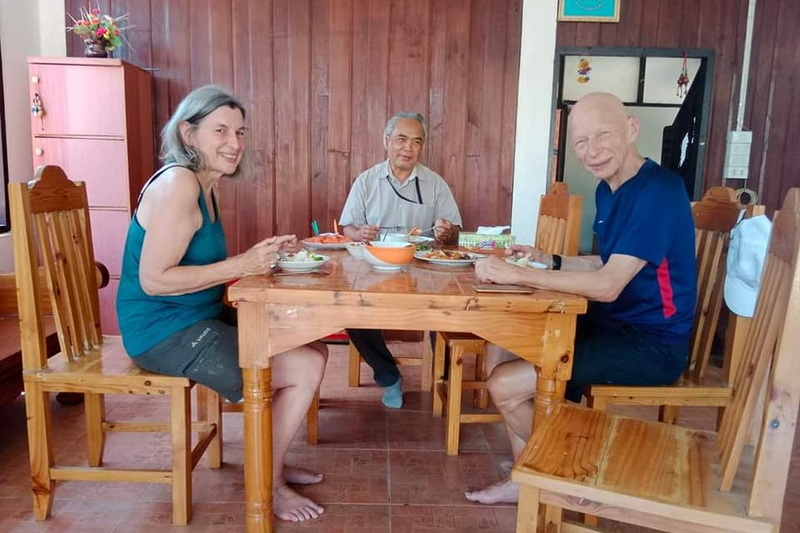
- Homestays: The village offers certified homestays, providing comfortable accommodation along with delicious local meals (breakfast and dinner), typically priced around 250 Baht per person per night. Staying with a local family allows visitors to deeply connect with the Tai Yai way of life and unwind amidst nature. The village’s slogan, “Sleep in Mueang Pon for one night, live seven years longer,” reflects the tranquility and rejuvenating spirit of the place.
- Cultural Immersion Activities:
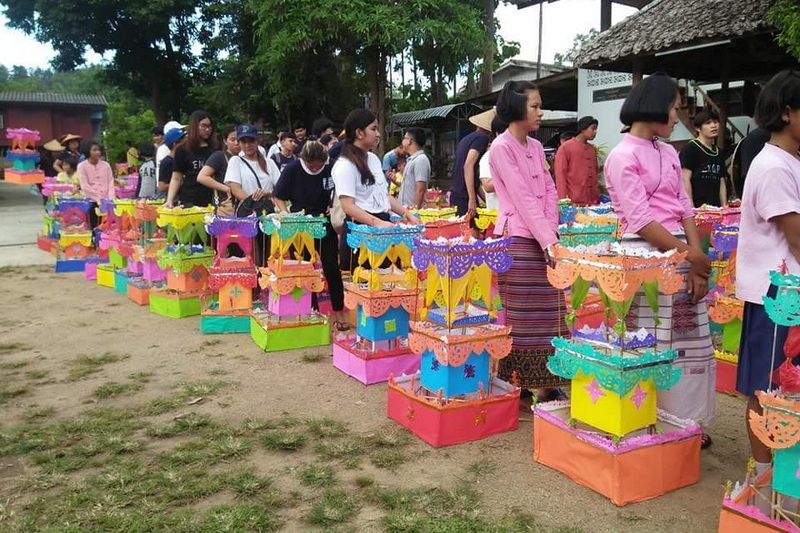
- Jong Para Creation: Witness or participate in the making of “Jong Para,” intricate castle-like structures made from bamboo frames, symbolizing the Tai Yai’s strong Buddhist faith, particularly during the “Poy Lern Sip Ed” (Ok Phansa) festival.
- Local Snack Making: Learn to prepare traditional snacks like Khao Puk, gaining insight into Tai Yai culinary traditions.
- Flower Cone Crafting: Discover the art of making elaborate flower cones for offering to monks.
- Tai Yai Sewing & Handicraft Demonstrations: Observe demonstrations of Tai Yai shirt tailoring and Kup Tai weaving, with opportunities to purchase unique local products as souvenirs.
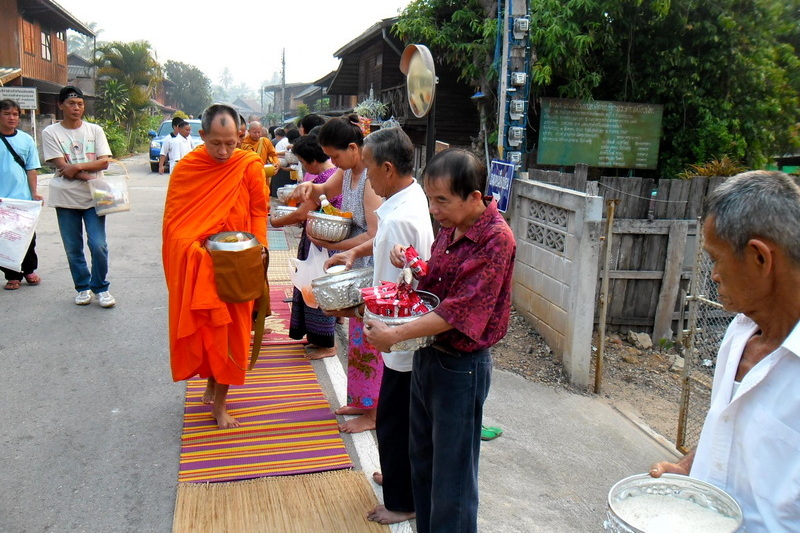
- Morning Alms Giving: Participate in the daily morning alms giving ritual, experiencing a significant aspect of Buddhist daily life in the community.
- Village Exploration:
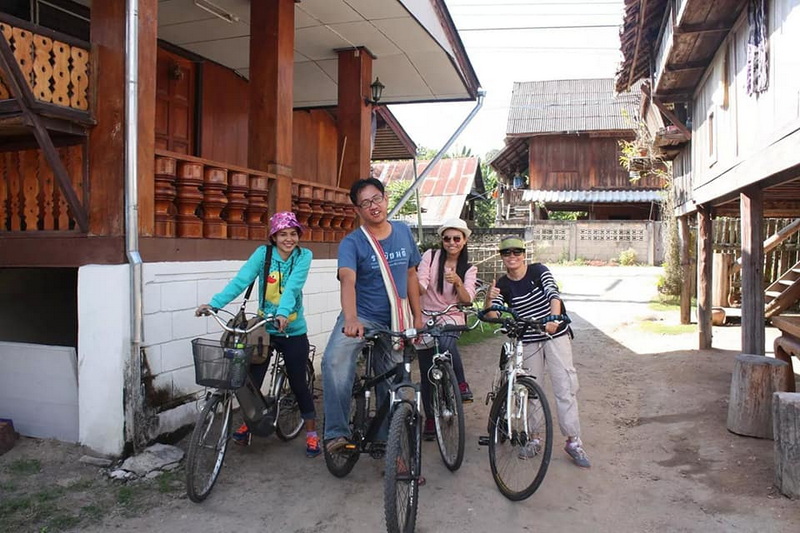
- Walking or Cycling Tours: Explore the village at a leisurely pace, either on foot or by bicycle, soaking in the serene atmosphere surrounded by forests and mountains.
- Local Morning Market: Savor authentic Tai Yai cuisine and local delicacies at the bustling morning market.
- Temple and Traditional House Visits: Admire the beautiful architecture of Wat Mueang Pon and explore the “Huen Tai” (Tai Yai traditional houses) nearby. Visitors can also seek blessings at the Mueang Pon Shrine.
- Paddy Field Views: Capture stunning photographs amidst the expansive paddy fields surrounding the village, breathing in the fresh air and enjoying the true essence of natural relaxation.
- Natural Hot Springs: Indulge in a relaxing soak at the local natural hot springs.
- Mae Laka Fish Sanctuary (Wang Pla Mae Laka): Explore this natural area and observe the way of life of the Karen (Pga K’nyau) people associated with the fish sanctuary.
Mueang Pon village is an ideal destination for travelers seeking a tranquil “slow life” experience, a deeper understanding of well-preserved indigenous culture, and a chance to connect with the stunning natural beauty of Mae Hong Son Province.
What We Offer
- Mae Hong Son Trek08: Ban Muang Pon Cultural Journey
- Mae Hong Son Trek16: 2 Days of Culture in Ban Muang Pon
How to Get There
Ban Mueang Pon is situated along Highway 108, approximately 12-13 kilometers south of Khun Yuam town in Mae Hong Son Province, a region famous for its winding mountain roads. From Chiang Mai, the most common way to reach the area is by minivan or bus, which takes about 5-6 hours directly along Highway 108. You can ask the driver to drop you off at Ban Mueang Pon, as it’s located right on the main road. Alternatively, driving a private car or motorbike allows for flexibility and the opportunity to explore the scenic Mae Hong Son Loop Tour.
If you are coming from Mae Hong Son town, Mueang Pon village is about an hour’s drive south along Highway 108. Taxis or private cars offer the most convenience. You can also take a local songthaew (shared taxi) or a minivan/bus heading towards Khun Yuam or Mae Sariang and inform the driver to stop at the village. It’s always advisable to confirm transportation details with local providers or your accommodation in advance.
Nearby Adventures
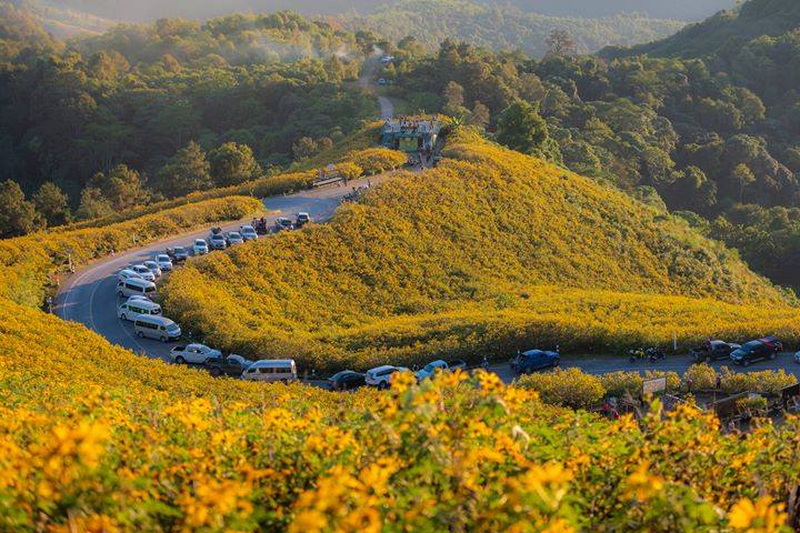
Bua Tong Fields at Doi Mae U-Kho
If you’re here in late autumn or early winter, you absolutely must see these fields! They explode with golden Mexican sunflowers – it’s breathtaking.
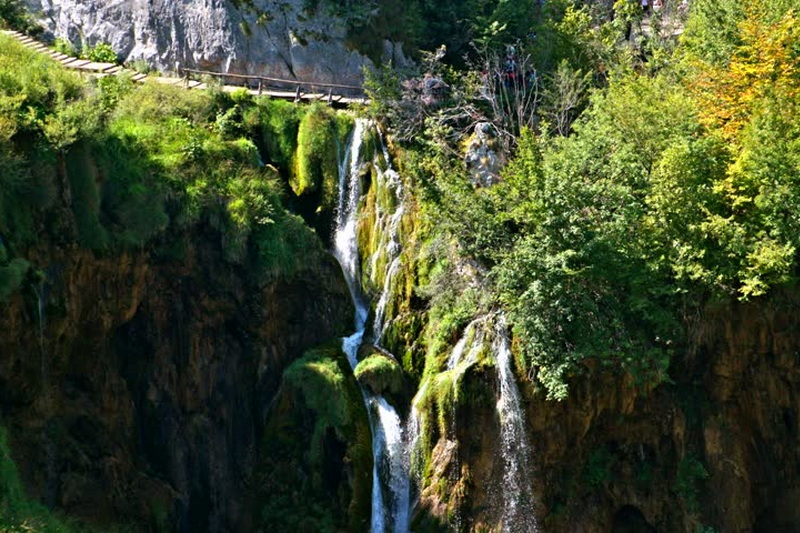
Namtok Mae Surin National Park
Love waterfalls? Then head here for the majestic Mae Surin Waterfall, a massive single-tier cascade surrounded by beautiful forests. Perfect for a nature fix!