Karen: A Journey into Their Unique World
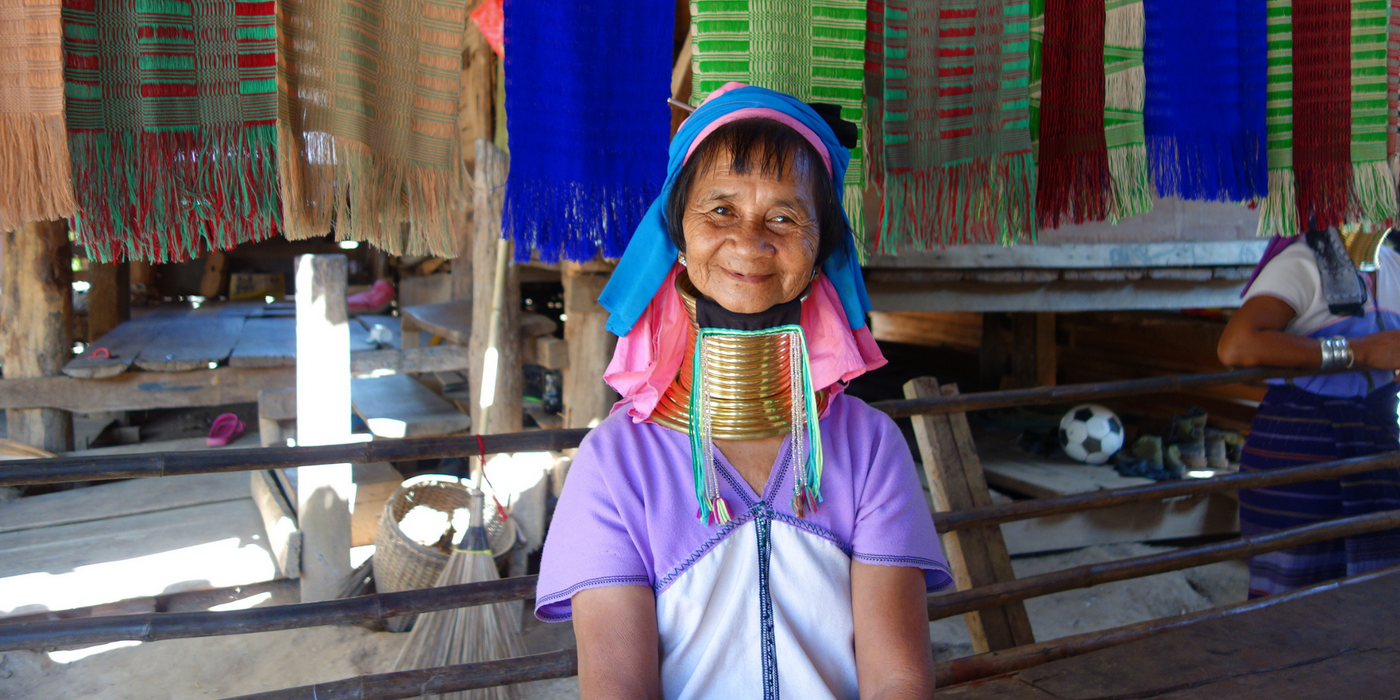
Explore the fascinating history and traditions of the Karen people. Learn about their unique culture, from their attire to their beliefs and way of life.
🏞️ Origins and Historical Roots
The Karen, who call themselves “Pga K’nyaw” or “Kayan”, are an ethnic group with a long history in Southeast Asia. Their origins trace back to the Salween River region of modern-day Myanmar (Burma) and parts of eastern Tibet. Historical evidence suggests they have resided in what is now Thailand since the Ayutthaya Kingdom, with early records mentioning them paying tribute.
A significant wave of migration to Thailand, particularly to the northern and western provinces like Chiang Mai, Mae Hong Son, and Tak, occurred during periods of intense conflict in Myanmar. These migrations have shaped their communities and way of life in Thailand.
🧍♂️ Karen Subgroups
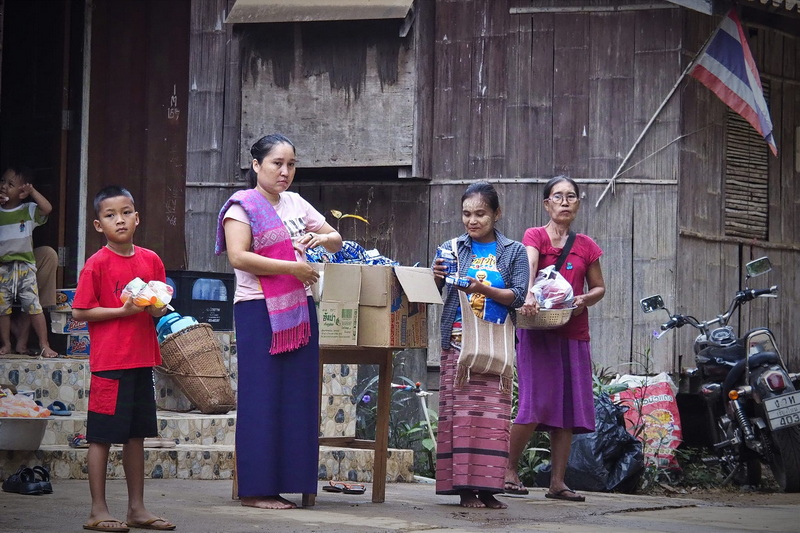
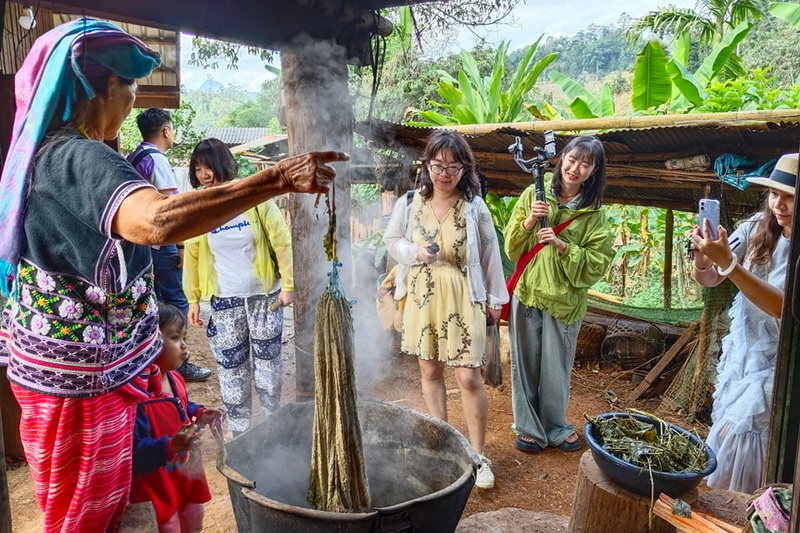
The Karen people are not a single, monolithic group. Several distinct subgroups exist, each with its own customs and language. The main groups found in Thailand include:
- Sgaw Karen (Pga K’nyaw): This is the largest Karen subgroup in Thailand.
- Pwo Karen (Phlou): Found in various areas, including Kanchanaburi.
- Pa’O or Taungthu: Found in northern and central Thailand.
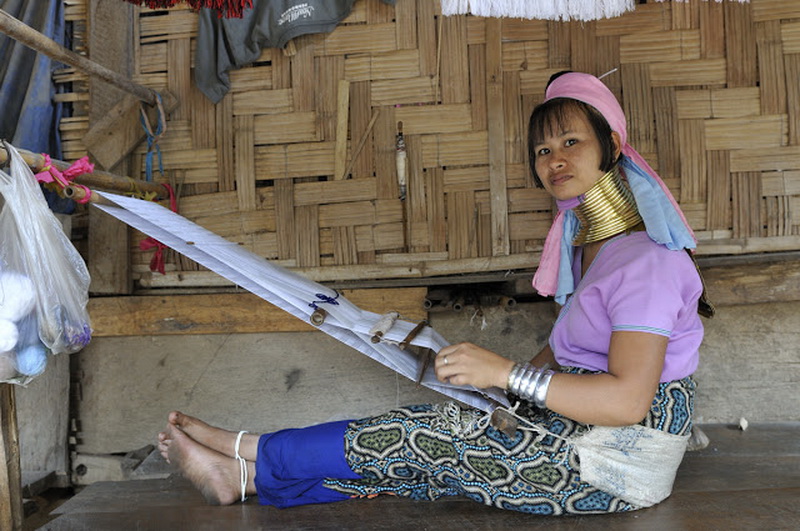
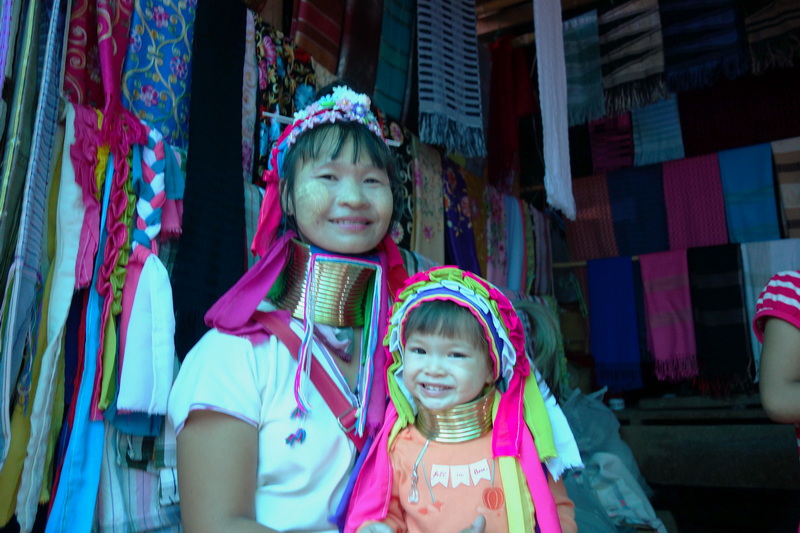
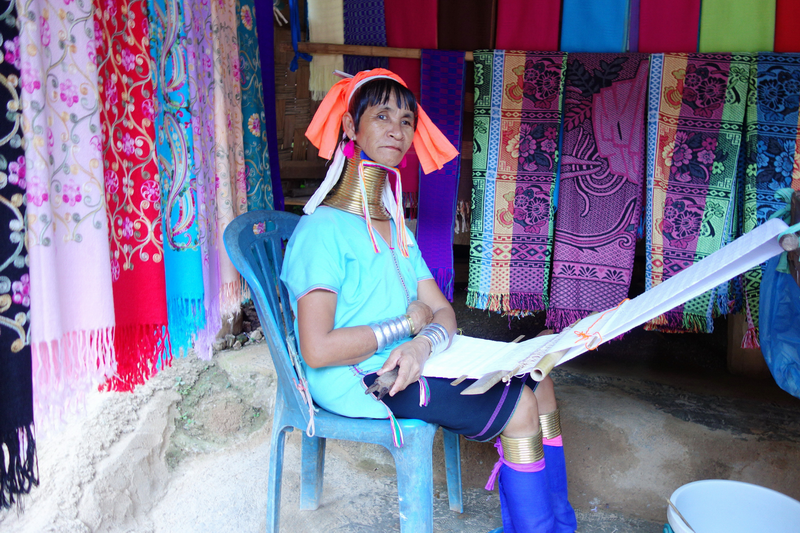
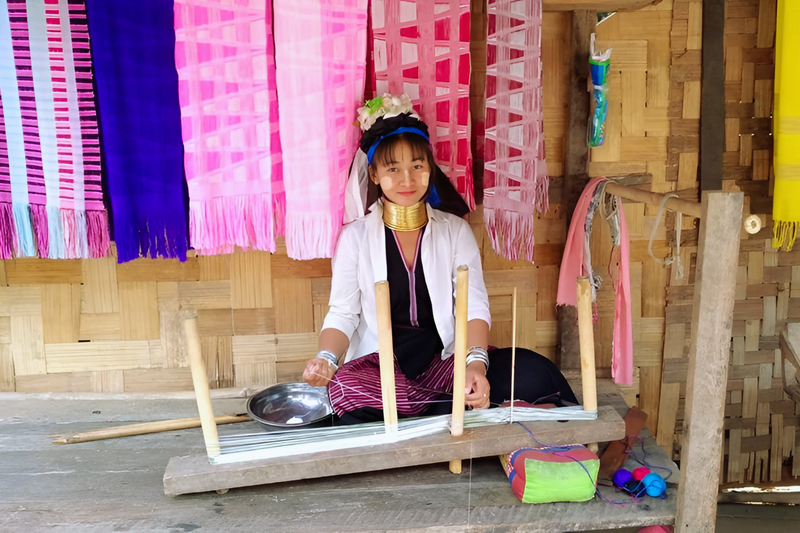
- Kayan (Long-Neck Karen): This subgroup is the most well-known from a tourism perspective, famous for the tradition of their women wearing brass rings around their necks.
The most striking difference between the Kayan (Long-Neck) and other Karen groups is a unique cultural practice. While the General Karen have a nature-based lifestyle and specific attire for unmarried and married women, the Kayan are renowned for the brass coils worn by their women as a symbol of beauty and tribal identity.
👚 Attire, Beliefs, and Traditions
Karen culture is rich with symbolism, from their clothing to their spiritual practices.
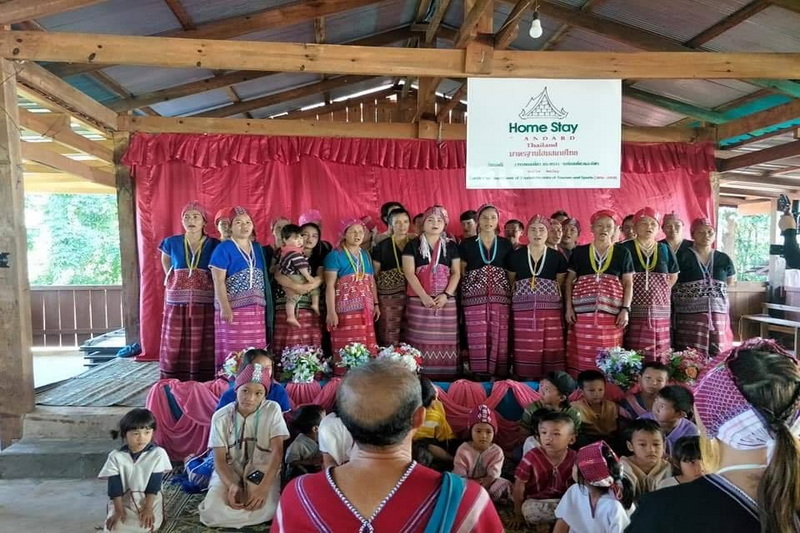
- Traditional Attire: “White” and “Black” Karen The clothing of the Sgaw Karen is particularly telling, representing a clear distinction between the unmarried and married. The “White Karen” attire refers to the white, long, sack-like dress worn by unmarried women, symbolizing purity. The “Black Karen” attire refers to the dark-colored blouse and red sarong worn by married women, signifying their new role as a wife and a respected adult in the community.
- Beliefs and Religion Most Karen people practice a mix of different belief systems. While many have adopted Buddhism or Christianity, they maintain their deep-seated animistic beliefs. They believe that spirits reside in all things—forests, rivers, and mountains. They perform rituals to appease these spirits, seeking their protection and guidance.
-
Key Traditions Karen traditions are often centered around the agricultural cycle and life events. The Wrist-Tying Ceremony (Taw-Khwa) is one of the most important traditions, a ritual to call back the lost souls of individuals and wish for good health. The New Rice Ceremony is celebrated after the harvest to thank the field spirits for a bountiful crop.
🧭 Sustainable Tourism: Beyond the “Human Zoo”
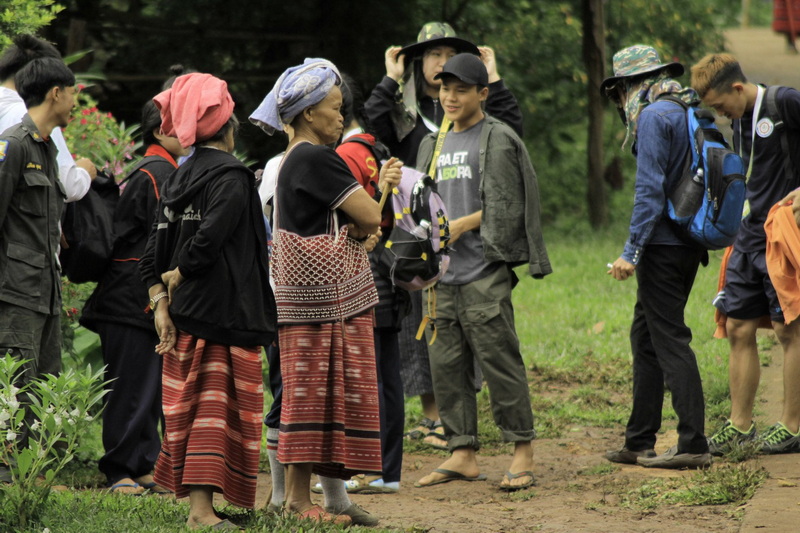
The term “human zoo” has been used to criticize tourism that objectifies ethnic groups, particularly the Kayan. To promote a more respectful and meaningful form of tourism, a different approach is needed:
-
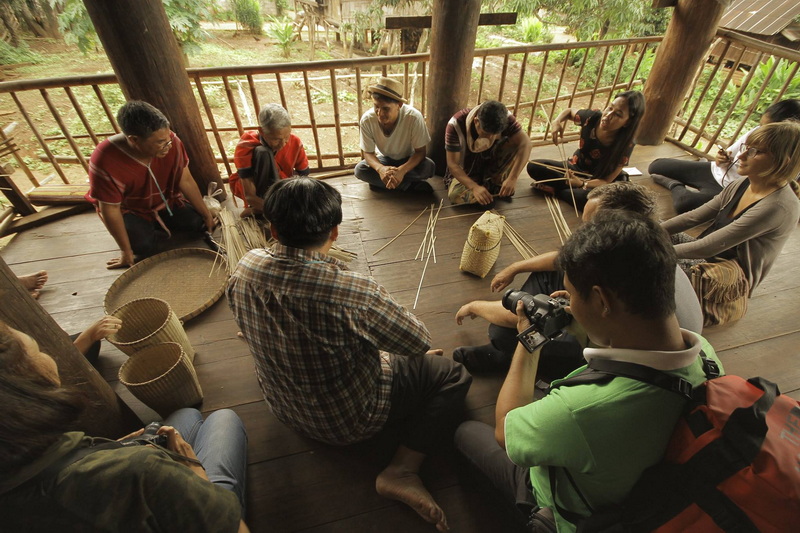
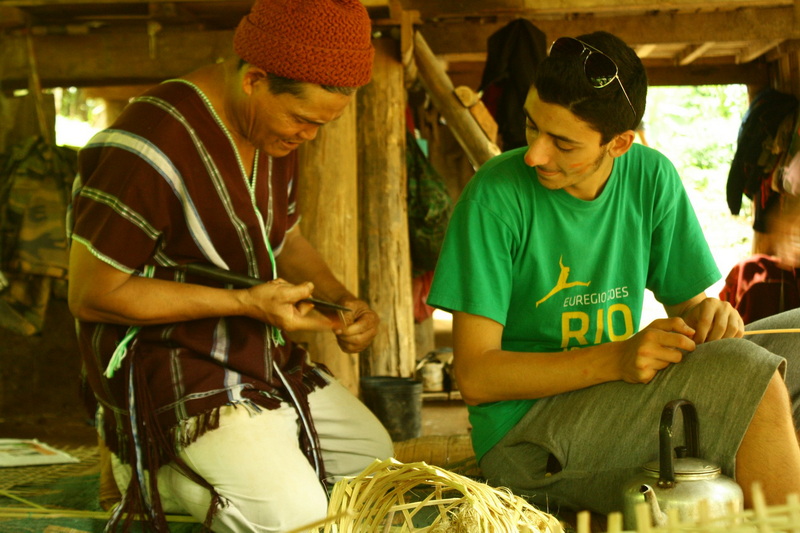
Embrace Homestays: Staying with a local family provides a genuine look into their daily life and allows for a deeper cultural exchange.
-
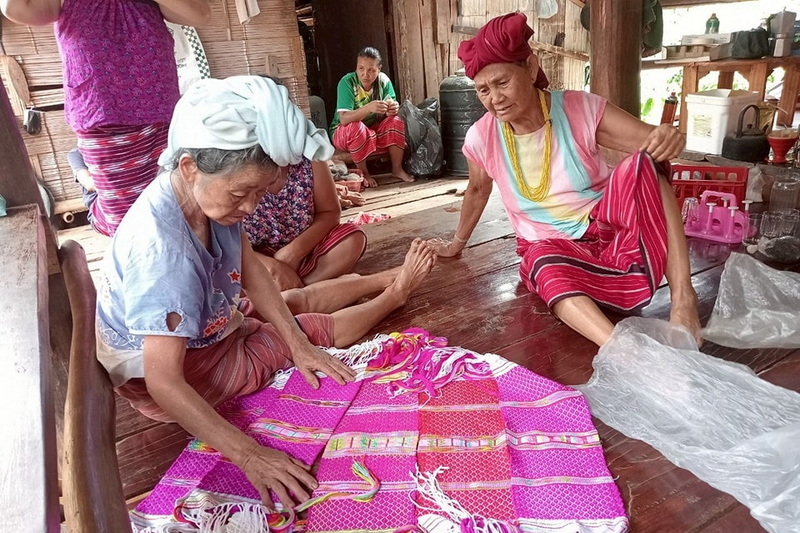
Support Local Crafts: Buy handcrafted items directly from the community. This ensures fair income and encourages the preservation of traditional skills.
-
Practice Respect: Always ask for permission before taking photos and engage in conversations with the villagers. Recognize them as people with unique stories and not just as subjects for a photo.
By shifting our perspective from sightseeing to meaningful interaction, we can help ensure that tourism benefits these communities while preserving their rich cultural heritage.
🌄 Conclusion
Mae Hong Son is more than mist-covered mountains—it is a living landscape shaped by the Karen people. From the farming traditions of the Sgaw and Pwo to the spiritual practices of the Pa Oe and Ba Wae, and the unique brass-coil heritage of the Kayan Lahwi, the province reflects the diversity and resilience of Karen culture.
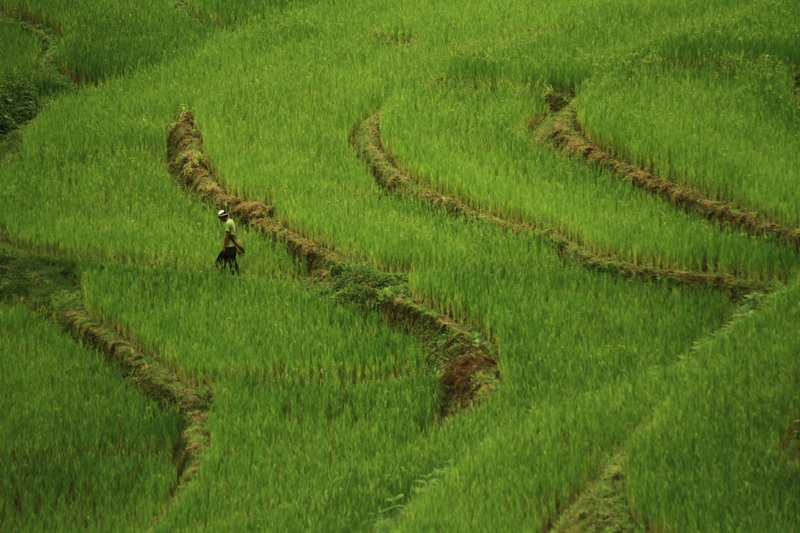
To truly appreciate the Karen of Mae Hong Son is to go beyond stereotypes of “long necks” and see them as farmers, weavers, silversmiths, elephant keepers, and guardians of spiritual traditions. By traveling with respect and supporting community-led tourism, visitors help preserve this rich heritage while creating connections that transcend photography and spectacle.
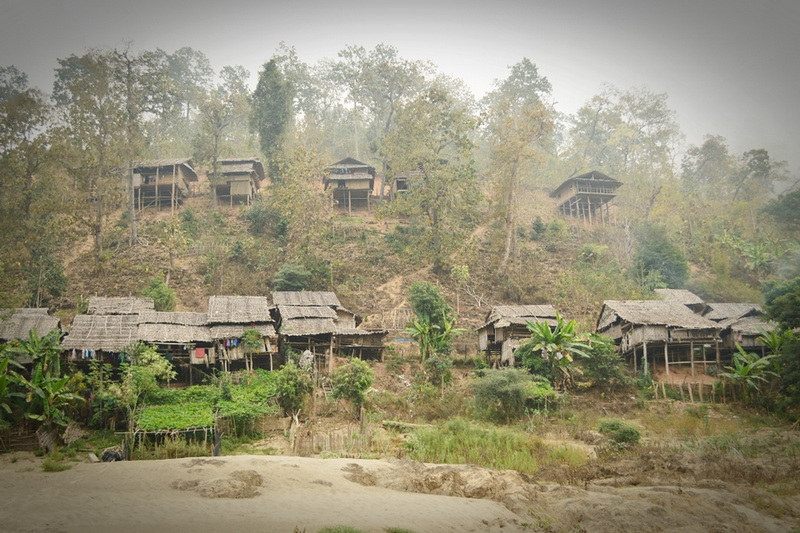
In Mae Hong Son, every Karen village tells a story—and those stories are best experienced not from afar, but by stepping inside with humility, curiosity, and respect.