
Ban Mae Sam Laep: Borderland Heritage in the Hills of Mae Hong Son
Uncover the heritage heartbeat of Ban Mae Sam Laep—where every roof, ritual, and riverbend whispers history.
📜 A Village at the Crossroads of Culture and History
Situated at the meeting point of ancient civilizations and natural frontiers, Ban Mae Sam Laep serves as more than a picturesque village—it is a cultural archive nestled in the farthest reaches of Mae Hong Son Thailand. Along the banks of the historic Salween River, this village has absorbed influences from the Karen, Shan, and Burmese ethnic groups over centuries, resulting in a tapestry of traditions, architecture, and beliefs. It is here that the cultural legacy of a region often overlooked by travelers remains powerfully alive.
🏘️ Historical Landscape & Traditional Architecture
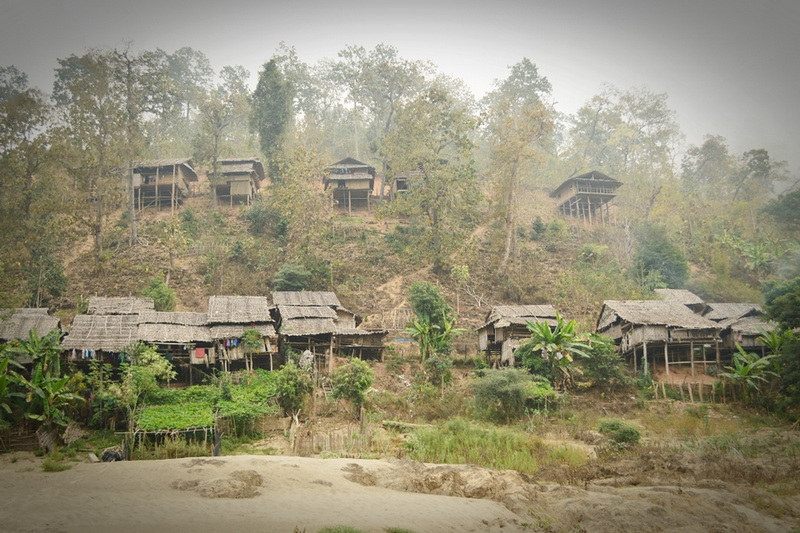
The physical layout of Mae Sam Laep village tells a story of coexistence. Stilted wooden houses, many influenced by Karen design, rise above riverbanks, allowing seasonal waters to pass below. Roofs are thatched with bamboo or palm, and interiors often feature handwoven mats, fire pits, and community gathering spaces—symbolic of the village’s social interdependence.
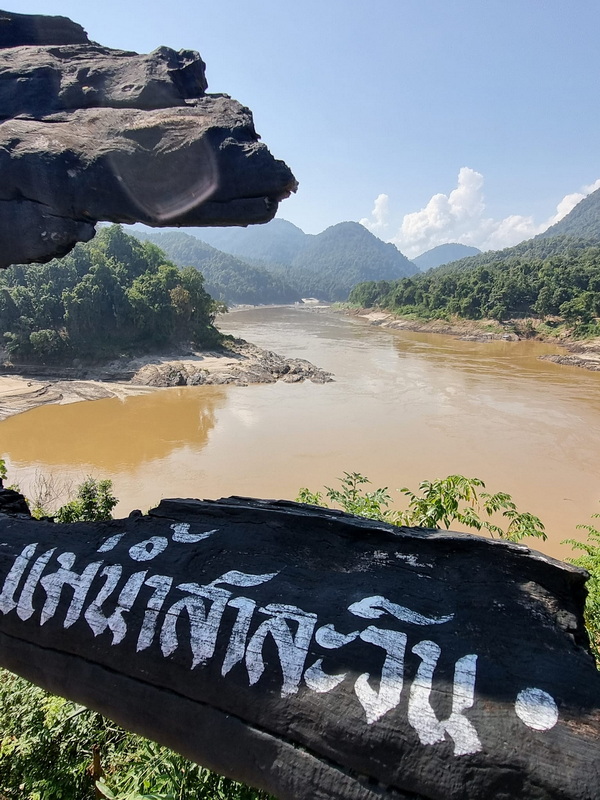
Religious and communal structures reflect ethnic integration. Buddhist shrines built in Shan-style tiered roofs stand beside Christian churches established by early missionaries. The nearby Salawin River has been the village’s lifeline and strategic channel for centuries—used for trade, refuge, and migration.
🌏 Cultural Ethnography and Daily Life
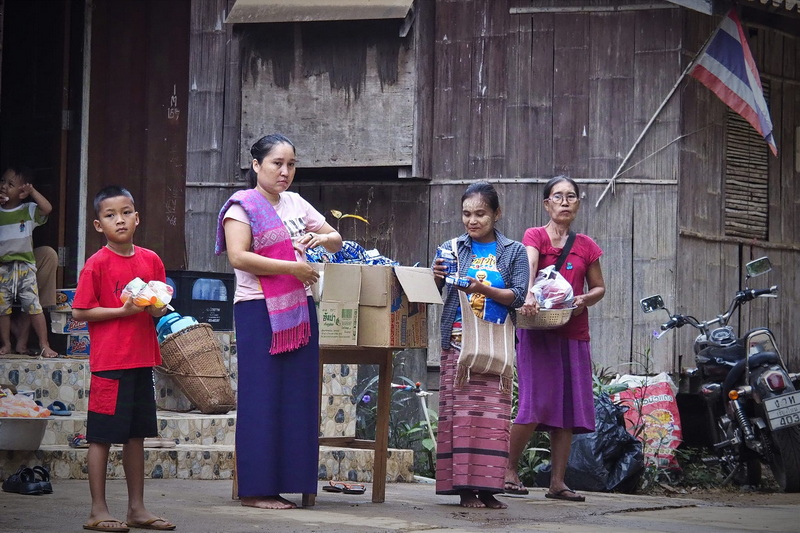
The community is primarily made up of Karen and Shan ethnic groups, each maintaining distinct linguistic, culinary, and spiritual practices. The Karen people, known for their weaving expertise, produce intricate hand-loomed textiles in natural dyes and geometric motifs. The Shan influence is evident in the culinary styles—mild curries, fermented vegetables, and rice cooked in bamboo.
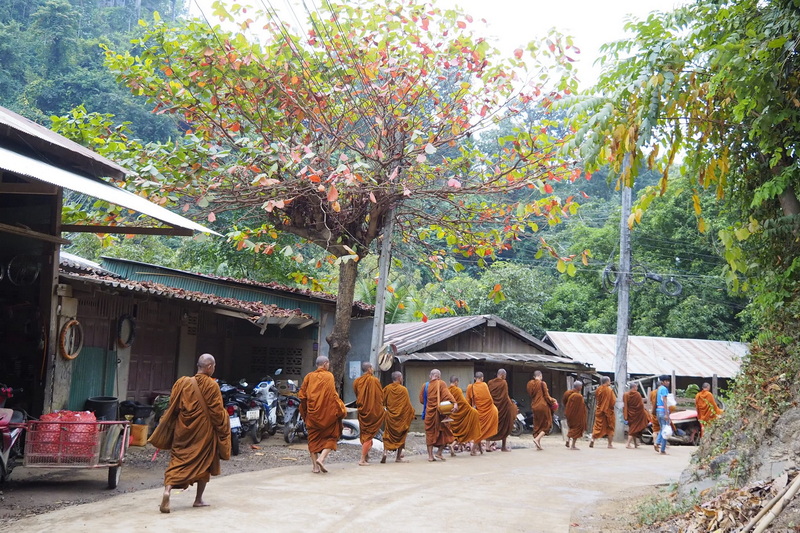
The village rituals—from rice planting ceremonies to full moon offerings—reflect a harmonious blend of animist, Buddhist, and Christian customs. Every woven pattern, wooden carving, or culinary method carries embedded ancestral wisdom. Ban Mae Sam Laep acts as a living anthropological study, rarely found in mainstream tourism routes.
🎯 Cultural Activities & Architectural Exploration
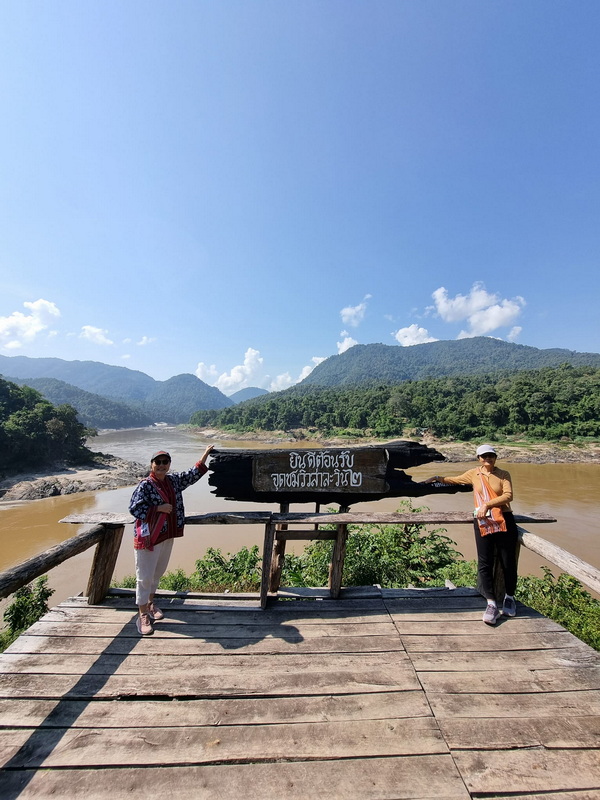
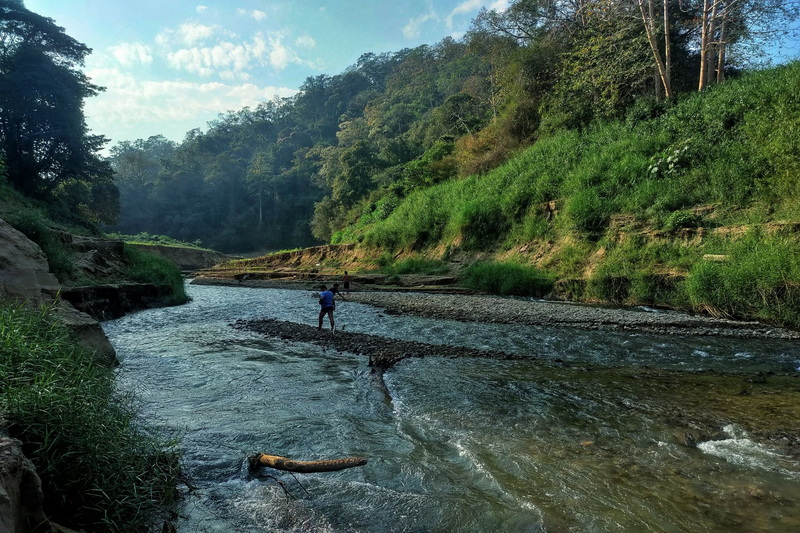
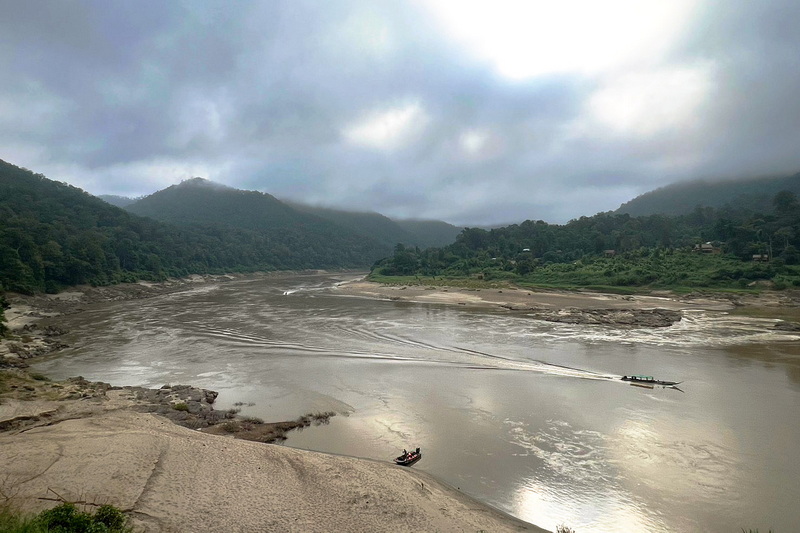
- Boat Trip Along the Salween River: Step into a longtail boat and navigate the very waterway that has shaped centuries of trade, migration, and diplomacy. The Salween is not just scenic—it’s historic. As you glide past rocky outcrops, bamboo villages, and borderland posts, guides often share stories of tribal alliances, wartime retreats, and ancient river deities. This journey offers a moving classroom where landscape and lore merge fluidly.
- Temple Visits: Explore Shan-style temples adorned with golden spires and detailed teak carvings. Speak to the monks and learn about local adaptations of Theravada Buddhism.
- Textile Workshops: Witness or participate in Karen-style backstrap loom weaving, a fading art form being revived by local cooperatives.
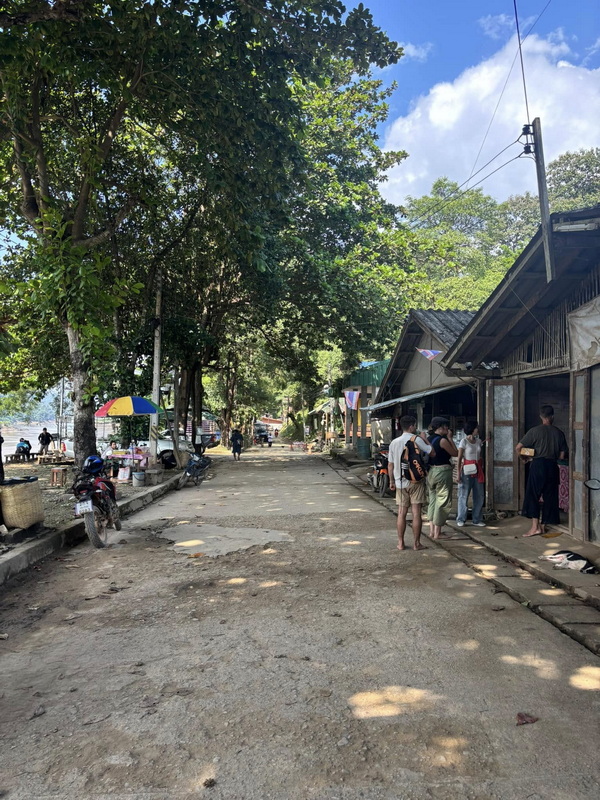
- Architectural Walks: Observe the unique structural blend of stilted homes and riverside dwellings that adapt ingeniously to monsoonal climates.
- Storytelling Evenings: Some homestays offer cultural exchange nights where elders share folklore, migration tales, and oral histories of the Salween region.
🏠 Facilities and Staying in Heritage Spaces
Most accommodation options are modest but deeply rooted in cultural context.
- Salawin Guesthouse reflects Karen hospitality, with wooden architecture and communal spaces.
- Local Homestays give visitors a direct window into traditional living—from floor-sitting meals to early-morning rituals.
Expect a simpler stay enriched by atmosphere, natural beauty, and heartfelt exchanges.
🕰️ Best Time to Visit & Cultural Considerations
- Best Time: November to February, during cool and dry months when festivals often take place.
- How to Access: Travelers on a Private Tour from Chiang Mai to Mae Hong Son can easily include Ban Mae Sam Laep by continuing to Sop Moei and using longtail boat transfers.
- Tips:
- Dress modestly, especially in temples.
- Learn simple greetings in Karen or Shan—it’s appreciated.
- Avoid overly flashy photography during rituals or religious events.
To visit Ban Mae Sam Laep is to time-travel through the cultural veins of northern Thailand. Here, centuries of history are not confined to museums—they breathe in every home, every prayer, every riverside melody. This village preserves not only stories but the living spirit of those who carry them forward.
🧭 Nearby Attractions
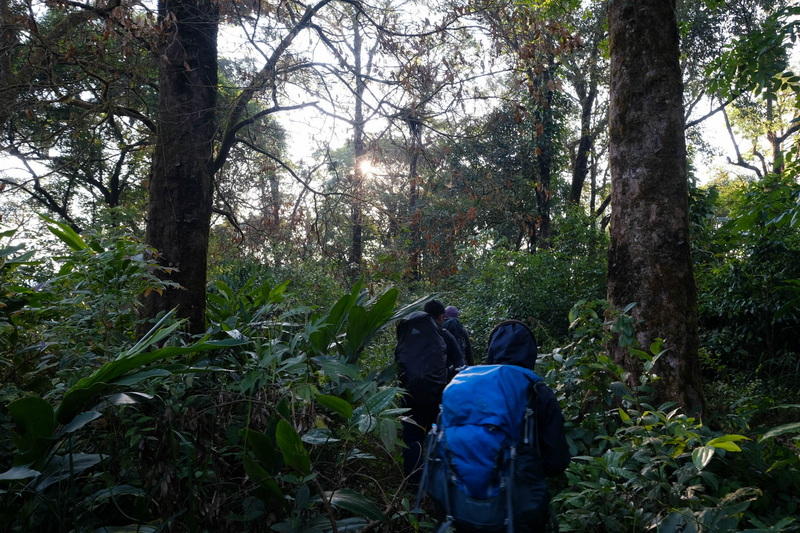
Beyond natural beauty, Mae Ngao also houses hidden spiritual sites—local legends speak of guardian spirits and forgotten shrines that lie within its forest trails.
Once a buffer zone in times of political tension, this national park is rich in historical and ecological significance. Its deep forests hide ancient footpaths used by traders and resistance fighters alike.