Hmong Hill Tribe of Northern Thailand
The Hmong of Northern Thailand: A Complete Guide to Culture, History, and Responsible Travel
A Tapestry of History, Culture, and Modernity in Thailand’s Highlands
The Hmong people, a vibrant and resilient ethnic group, form a significant part of the cultural mosaic of Northern Thailand. Known to the Chinese as Miao and to the Thais and other groups as Meo or Maew, the Hmong’s journey from their ancestral lands in China to the high mountains of Thailand is a story of determination and cultural preservation.
A History Rooted in Migration and Resilience
The history of the Hmong is one of continuous movement. For centuries, they migrated southward from their origins in the Yellow and Yangtze river valleys of China. This diaspora was often driven by conflict with Chinese imperial forces and a search for new, fertile agricultural land. Their arrival in Southeast Asia, particularly in Vietnam, Laos, and Thailand, intensified during the 19th and 20th centuries. A major influx of Hmong people into Thailand occurred after the end of the Vietnam War in 1975, when many, having allied with the U.S. during the “Secret War” in Laos, sought refuge from political persecution. They established Hmong villages primarily in the highland areas of provinces like Chiang Mai, Chiang Rai, and Nan.
The Distinction of Hmong Subgroups: A Colorful Identity
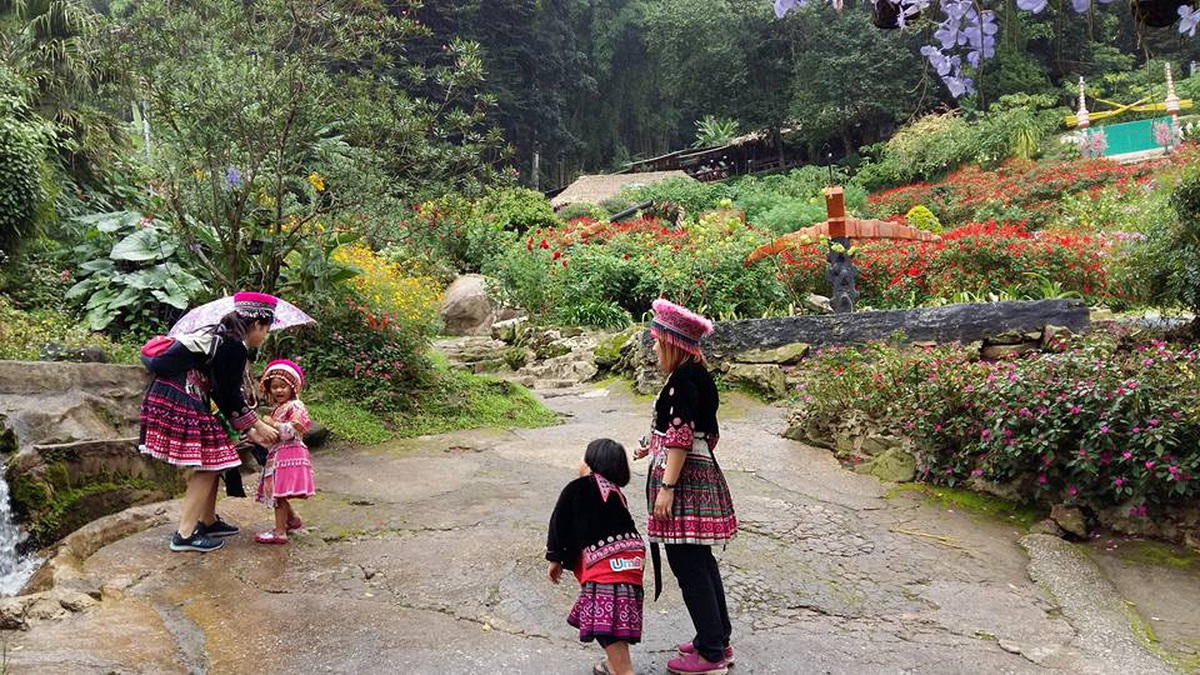
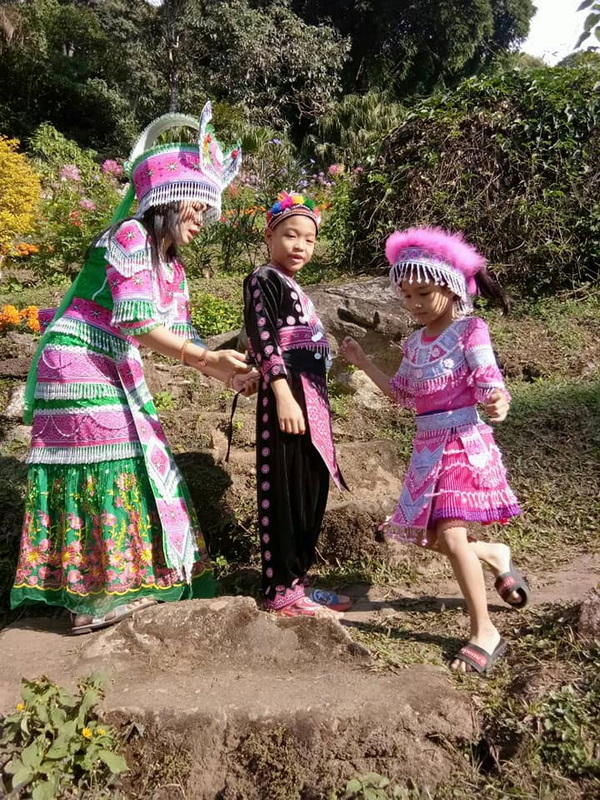
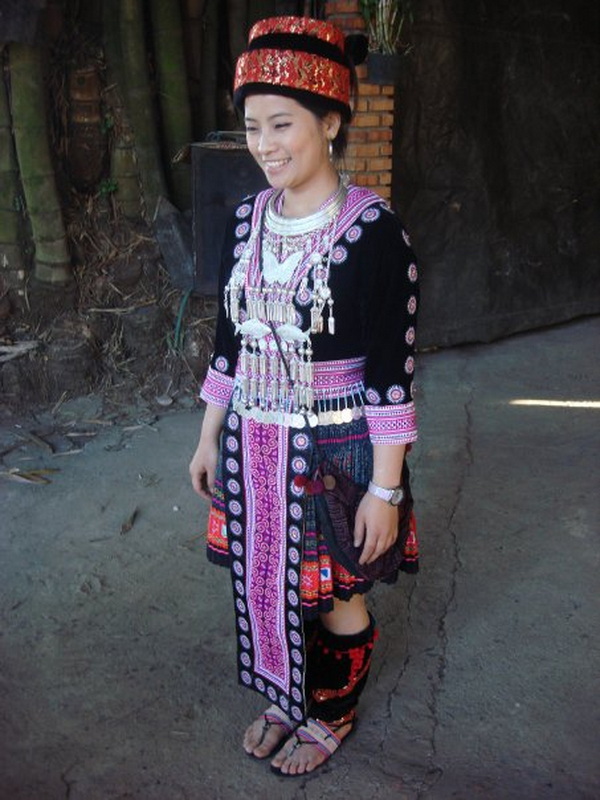
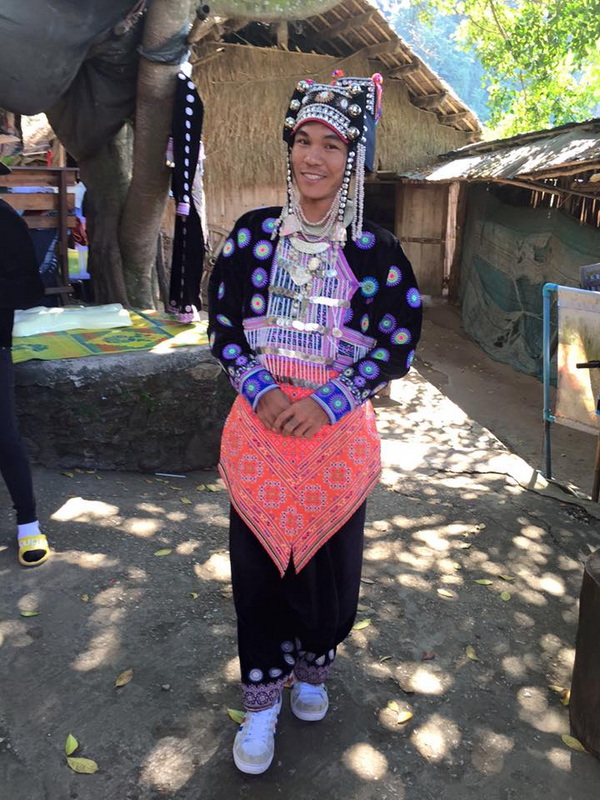
The Hmong are not a single, uniform group. Their various subgroups are most notably distinguished by their language and the traditional clothing of the women.
-
Hmong Daw (White Hmong): Characterized by the women’s plain white pleated skirts worn for special occasions, which are often made from hemp cloth and adorned with intricate batik patterns and embroidered borders.
-
Hmong Leng (Green or Blue Hmong): Distinguished by the vibrant, colorful embroidery (Paj Ntaub) on their jackets and skirts, which are typically dyed with indigo to achieve a rich blue-green hue. Their clothing is a complex, artistic statement of their identity and clan.
The different embroidery patterns, or Paj Ntaub (literally “flower cloth”), are not just decorative; they are a form of communication, a visual language that can signify a person’s clan, marital status, and a clan’s history.
Livelihood: From Opium to Sustainable Agriculture
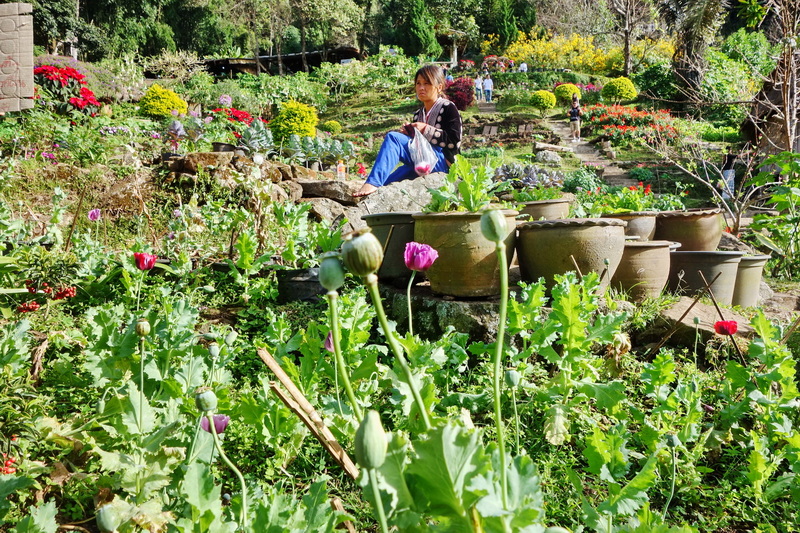
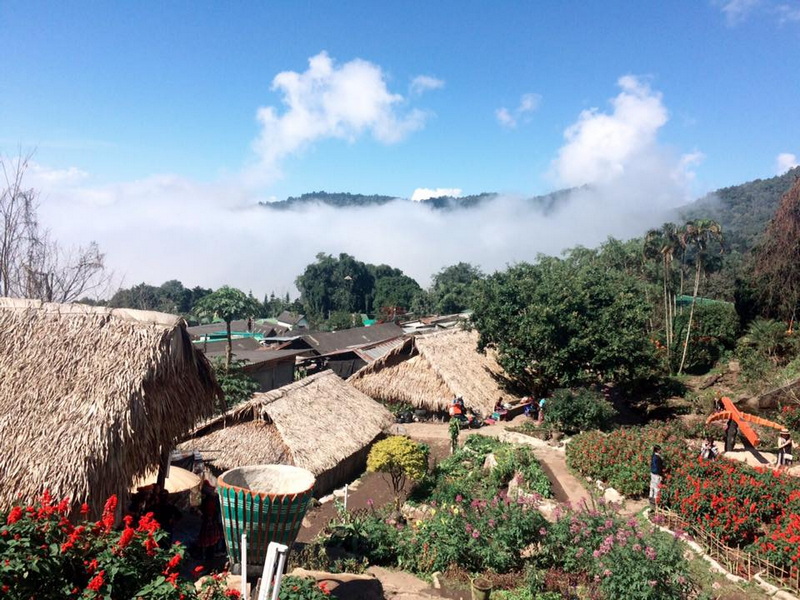
Historically, the Hmong were known for their practice of swidden, or “slash-and-burn,” agriculture and their cultivation of opium poppies in the highlands. However, the Thai government, under the visionary leadership of King Bhumibol Adulyadej, launched the Royal Project in the late 1960s. This initiative introduced sustainable farming practices and encouraged the Hmong hilltribe to switch to cultivating profitable cool-weather crops like temperate fruits, flowers, and vegetables. This transition not only improved their economic well-being but also helped preserve the environment by reducing deforestation. Today, many Hmong villages are known for their produce and vibrant local markets.
Cultural Pillars: Clan, Spirituality, and Tradition
The Hmong society is organized around patrilineal clans, with loyalty to the clan being a central value. They maintain a strong belief in animism and ancestor worship, with shamans playing a vital role in healing and communicating with the spirit world. Traditional Hmong music, played on instruments like the qeej (a bamboo mouth organ), is integral to their rituals and festivals, particularly the Hmong New Year, which is a key time for community gatherings, courtship, and cultural celebrations.
Hmong in Modern Thailand: Blending Worlds
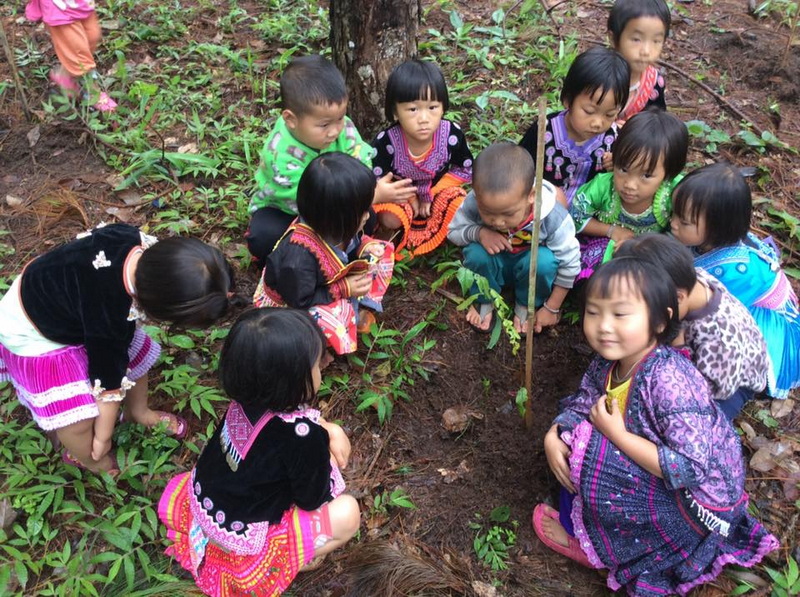
While many Hmong still live in traditional communities, younger generations are increasingly seeking higher education and employment in urban areas like Chiang Mai. This has led to a fascinating cultural blend where Hmong youth navigate modern careers and technology while still participating in traditional ceremonies and maintaining close ties to their clans. This adaptability showcases the Hmong’s ability to evolve without sacrificing their core identity. They are active participants in Thailand’s economy, not only through agriculture and tourism but also in various professional fields.
Responsible Tourism: An Ethical Glimpse into Hmong Life
The Hmong’s vibrant culture has made their villages popular Chiang Mai attractions, offering a unique experience for visitors. However, it’s crucial to engage with their communities respectfully. Instead of viewing them as a “human zoo,” responsible tourism involves supporting local artisans directly, participating in cultural workshops, and learning about their history from a knowledgeable guide. By doing so, visitors contribute to the economic sustainability of these communities while honoring their cultural integrity. This approach allows the Hmong hilltribe to share their story on their own terms, preserving a legacy that has survived centuries of change.