Phrathat Chom Mon Temple – A Timeless Jewel of Ethnic and Artistic Fusion
Step into centuries of devotion—explore the artistic and cultural layers of Phrathat Chom Mon Temple today!
Phrathat Chom Mon Temple is a religious monument of substantial historical, architectural, and cultural value, located in Mae Sariang district, Mae Hong Son province. This temple is not only a center of worship for local communities but also serves as a testimony to centuries of ethnic integration and regional spiritual development.
The temple’s origins trace back to approximately the 14th century, during the reign of Prince Saen Kham, a royal figure associated with the Lanna Kingdom. Over the centuries, the site evolved through various cultural influences—Mon, Karen, Lawa, Burmese, and Chinese—all of which are reflected in the physical structure and religious practices observed today.
Architectural Composition and Artistic Value
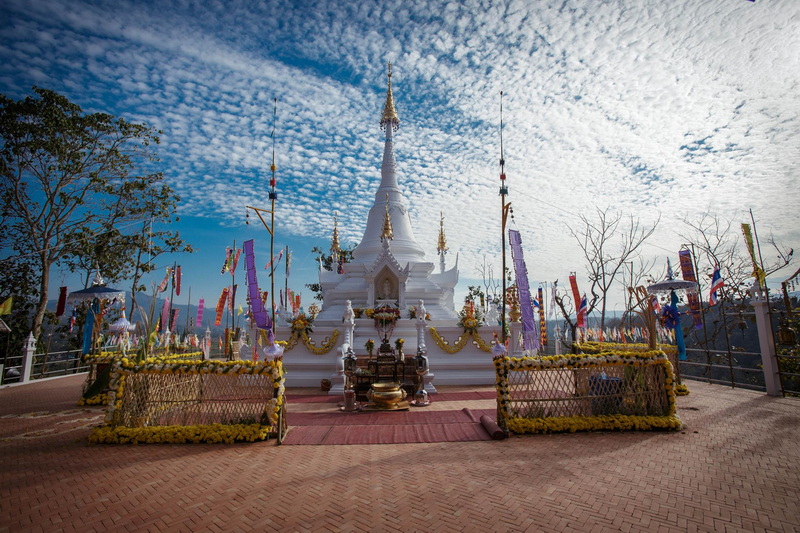
Phrathat Chom Mon Temple features a central stupa constructed in classic Lanna style with a bell-shaped dome atop an octagonal base. The stupa is whitewashed with minimal ornamentation, symbolizing spiritual purity. A golden finial crowns the structure, providing visual contrast and representing sacred aspiration.
Flanking the main stupa are supporting structures that reveal a synthesis of styles:
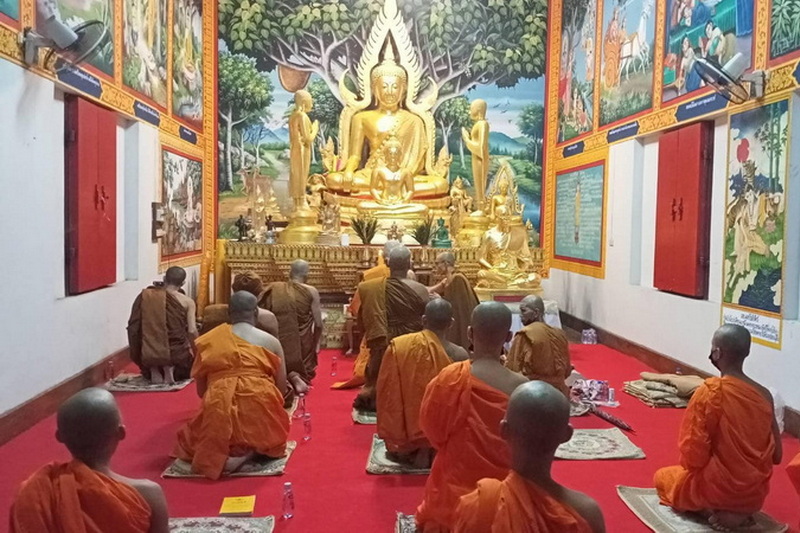
- The Ordination Hall (Ubosot): Constructed in timber and adorned with traditional murals depicting notable Thai monks. The layered roofline and intricate wood carvings align with Northern Thai religious architecture.
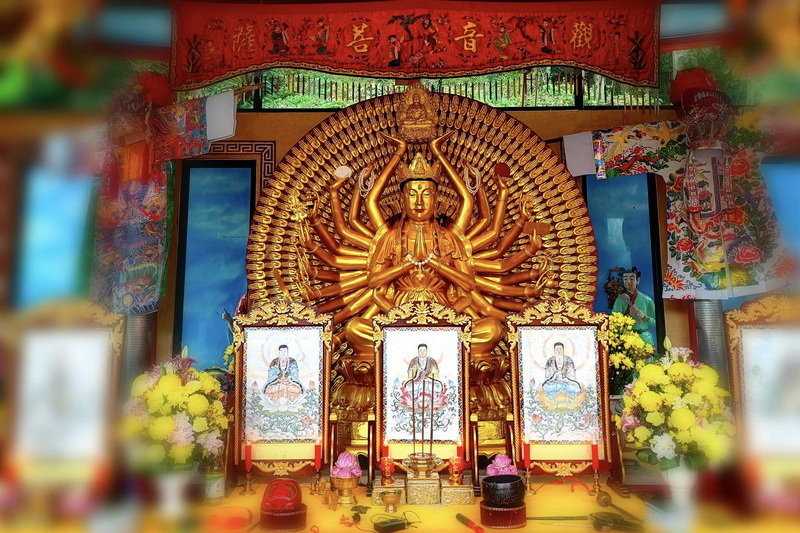
- The Avalokiteshvara Shrine: Built in a Chinese architectural format, this shrine houses an intricately crafted statue of the thousand-armed Bodhisattva, testifying to Mahayana Buddhist influence brought by Chinese settlers.
- Nāga Stairway and Courtyards: The approach to the stupa features a pair of serpentine Nāga guardians sculpted in the Lanna tradition, symbolizing protection and spiritual ascension.
Role Within the Local Community
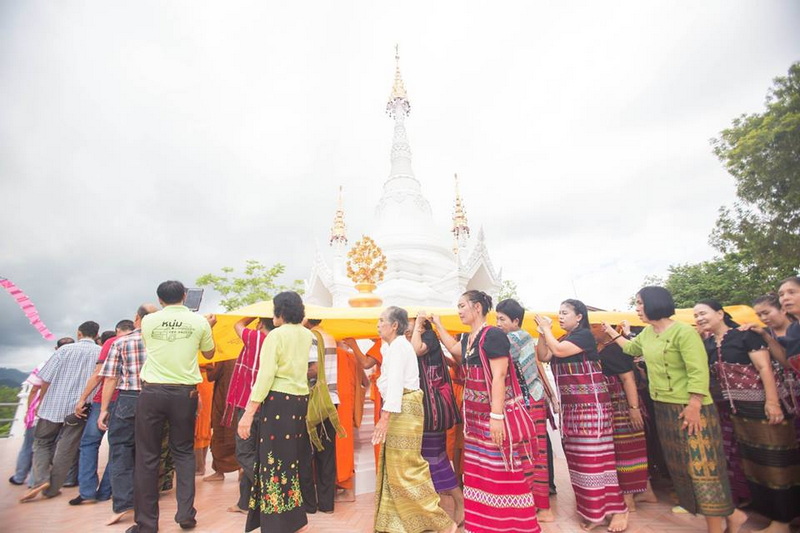
The temple plays an integral role in the spiritual lives of multi-ethnic local populations, including Mon, Karen, Lawa, and Tai Yai peoples. Annual religious events, particularly the July full moon celebration, attract significant local participation and serve as a means to reinforce both religious practice and cultural heritage.
Recommended Activities for Visitors
- Academic Observation: Ideal for researchers and students interested in comparative Southeast Asian temple architecture.
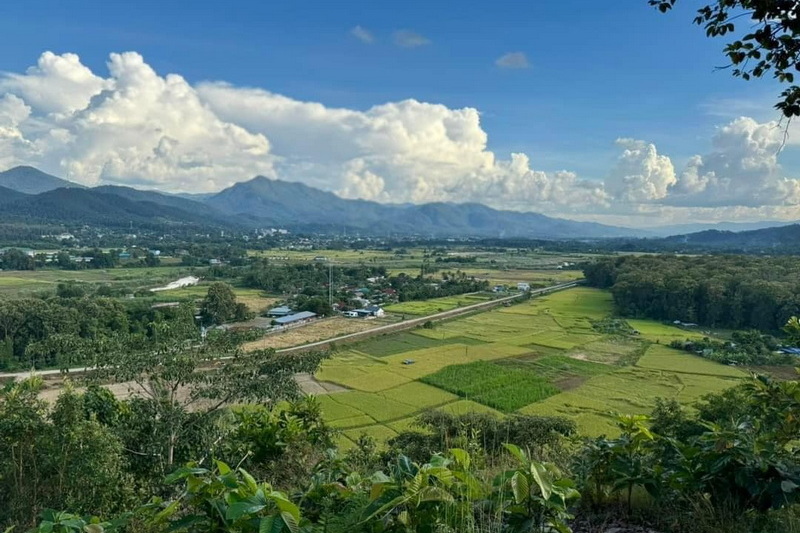
- Photography and Scenic Viewing: The elevated position offers panoramic views of the Yuam River Valley and surrounding mountain ranges.
- Ritual Participation: Visitors may respectfully join morning offerings or engage in meditative walks around the stupa.
- Cultural Appreciation: Observe the convergence of Buddhist schools through architecture, sculpture, and inscriptions.
Available Facilities
The site includes essential amenities such as free parking, restrooms, shaded pavilions, and limited interpretive signage in Thai. English-language guides can be arranged in advance for academic or group visits.
Access and Travel Recommendations
Located approximately 4 kilometers west of Mae Sariang’s town center, Wat Phrathat Chom Mon can be accessed via Route 1194. Visitors may choose between walking the Nāga stairway or using a paved vehicle road. The area is best visited between November and February when visibility is optimal and temperatures are cooler.
This destination fits naturally into most Private Tour from Chiang Mai to Mae Hong Son itineraries and can be integrated with regional temple circuits or Mae Hong Son Loop Tour plans.
Phrathat Chom Mon Temple is not just a place of worship—it is an academic archive, cultural bridge, and spiritual sanctuary in the hills of Mae Hong Son.
Nearby Attractions
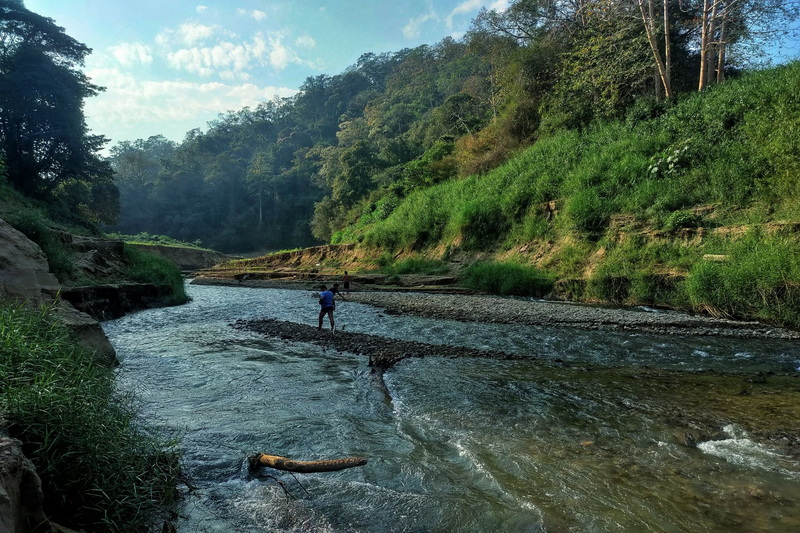
An ecologically vital area along the Thai-Myanmar border, this park features rare flora, riverside trails, and access to traditional hilltribe villages—an excellent field site for environmental studies or cultural exploration.
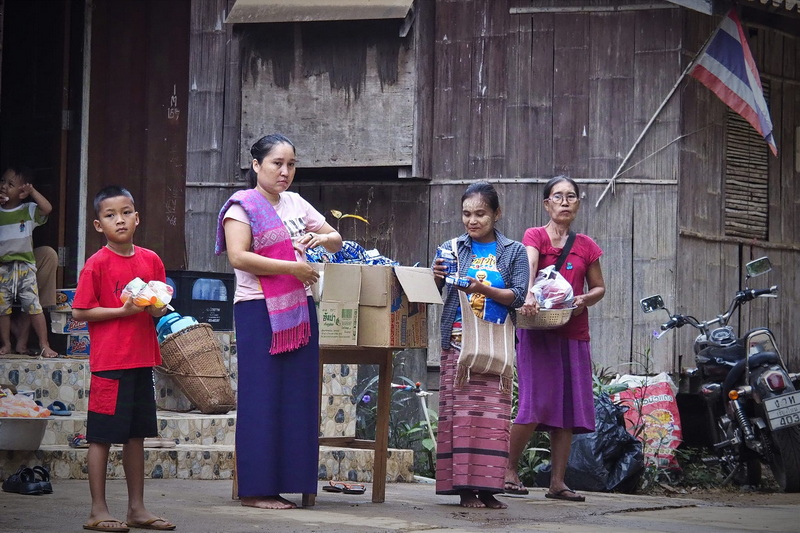
This Karen village on the Salween River offers insights into ethnic borderland life and opportunities for cultural immersion, including boat tours and community visits.