Ban Huai Suea Thao Long Neck Village
Explore Ban Huai Suea Thao and immerse yourself in the unique traditions, craftsmanship, and lifestyle of the long-neck Karen people in Mae Hong Son.
Village Atmosphere
Ban Huai Suea Tao is small but vibrant. A short pedestrian street runs through the center, lined with bamboo and wooden huts that serve as both homes and shops. Women sit at traditional looms, weaving colorful sarongs and scarves, while children play along the pathways, waving to visitors.
You’ll hear the gentle click of weaving frames, smell the aroma of home-cooked rice and grilled meat, and see brilliant fabrics drying in the mountain sun. The pace is slow, the smiles are warm, and the welcome is genuine—if you approach with respect.
The Long neck village Ban Huai Suea Thao is a refugee camp for the Karenni (Red Karen) people. The Karenni people are known for two subgroups, the Padaung and the Kayan people. The Karenni are involved in a struggle (war) back in Myanmar (Burma) for independence. The people in the camp had fled the violence as well as persecution back in Myanmar.
There are three Kayan Long Neck villages in Mae Hong Son province in Thailand. The largest is Huay Pu Keng, on the Pai river, close to the Thai Myanmar border. Ban Huai Suea Thao is a commercial village opened in 1995. Many of the residents of Ban Nai Soi Kayan Longneck village moved into the Karenni refugee camp in September 2008, but 20 families and 104 residents remain there, according to the sign at the entrance as of February 2017.
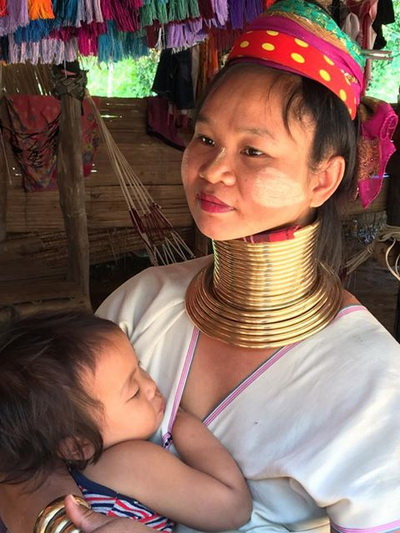
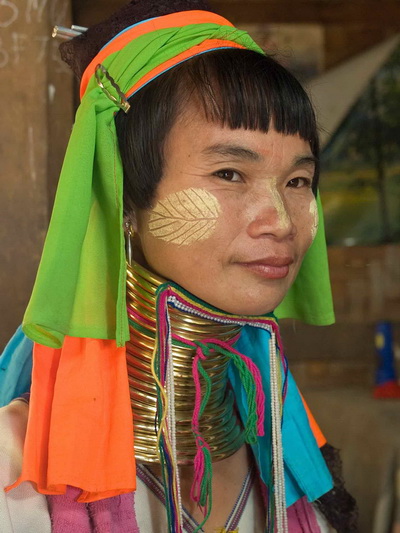
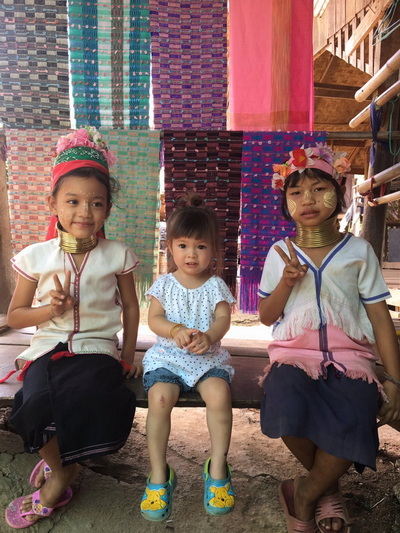
Karen long-neck. A resident of a minority living in Burma Once past the big battle between the forces and the Karen Burmese regime. Result in long-neck Karen people affected are immigrants who take away the war to live near the border. And partly to live in Thailand in Mae Hong Son province. Long Neck Karen village. In Mae Hong Son Karen Long-Neck villages have three places, each with a distinctive difference. But no matter where it is too long neck.
1. Ban Huai Suea Thao
3. Baan Nai Soi
Kayan People
The Kayan are a sub-group of Red Karen (Karenni people), Tibeto-Burman ethnic minority of Myanmar (Burma). The Kayan consists of the following groups: Kayan Lahwi (also called Padaung), Kayan Ka Khaung (Gekho), Kayan Lahta, Kayan Ka Ngan. Kayan Gebar, Kayan Kakhi and, sometimes, Bwe people (Kayaw).
Padaung (Yan Pa Doung) is a Shan term for the Kayan Lahwi (the group in which women wear the brass neck coils). The Kayan residents in Mae Hong Son Province in Northern Thailand refer to themselves as Kayan and object to being called Padaung. In The Hardy Padaungs (1967) Khin Maung Nyunt, one of the first authors to use the term “Kayan”, says that the Padaung prefer to be called Kayan. On the other hand, Pascal Khoo Thwe calls his people Padaung in his 2002 memoir, From the Land of Green Ghosts: A Burmese Odyssey.
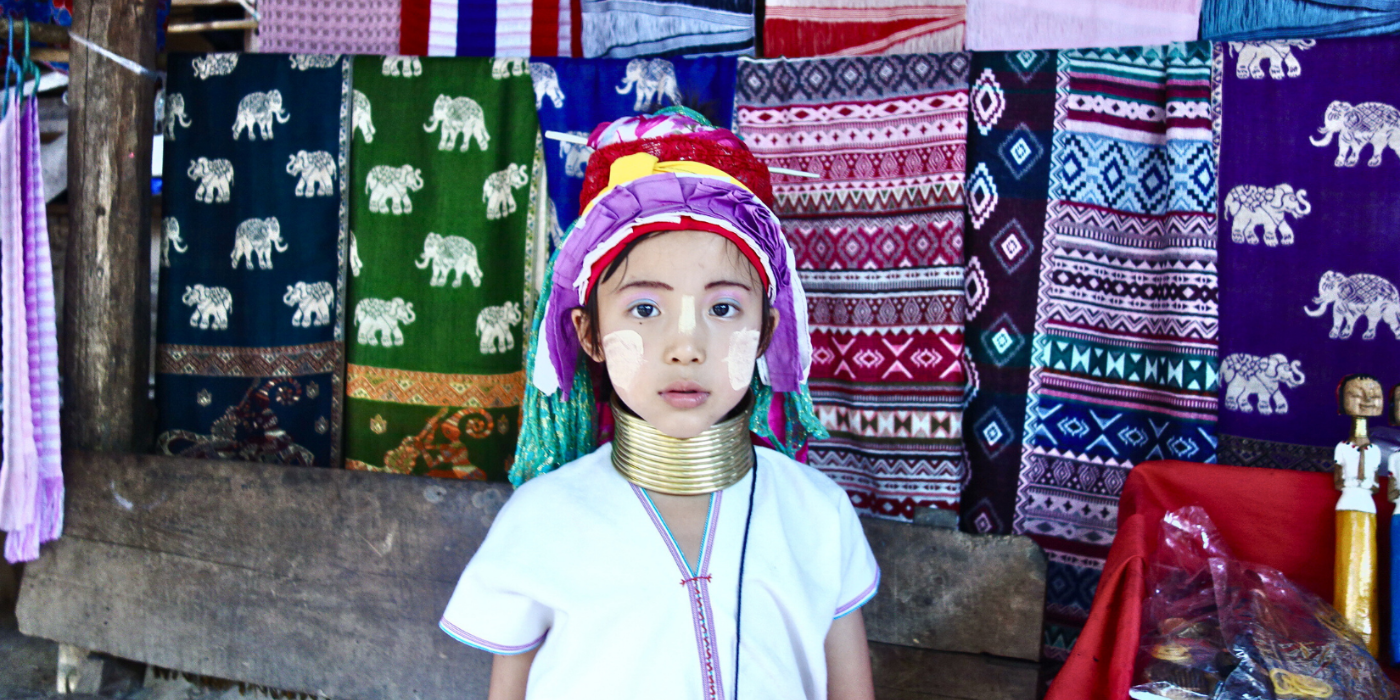
Understanding the Neck Rings
The brass neck coils are the most recognizable feature of Kayan culture. Girls begin wearing them between ages 5–9, with more rings added over time. The rings don’t physically lengthen the neck but create the illusion by pushing the collarbone and shoulders downward.
For the women, the rings symbolize cultural pride and beauty. While some critics call the villages “human zoos,” many Kayan women express genuine pride in wearing the coils and see tourism as one of the few ways to sustain their families under refugee restrictions.
Someone said “human zoo” or “tourist trap”
The Thai government has at best tolerated them and at worst sent them back over the border. But for refugees, they are not allowed to seek regular work in Thailand. The villages are often derided as human zoos, and there are certainly elements of this, but the ethics of whether or not to visit these people is up to you. On the one hand, tourism is one of the few ways that these people can earn a living. Most of the women that you see, They are proud of their heritage and feel no embarrassment about showing it off for the tourists.
If you talk with them. You will know, they are happy with their current situation, but the stateless position they share with all Burmese refugees is nothing to be envied, and these formerly independent farmers are now reliant on aid and tourists to survive.
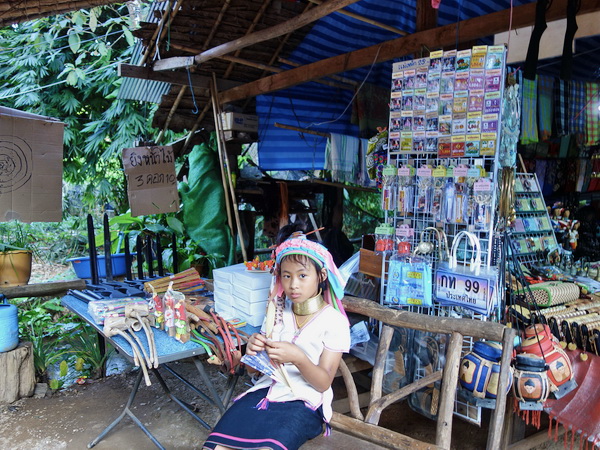
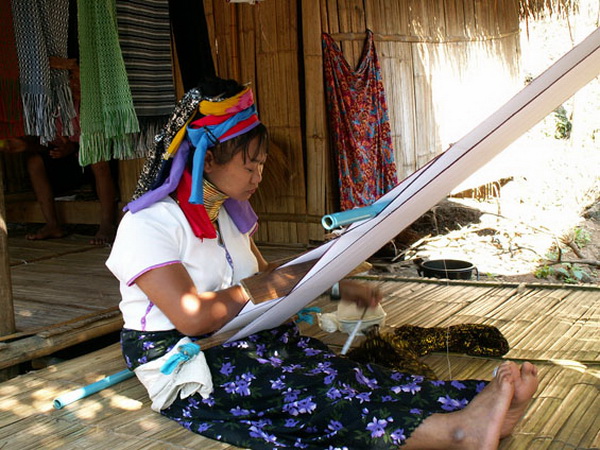
Visit Long Neck Village Ban Huay Sua Tao
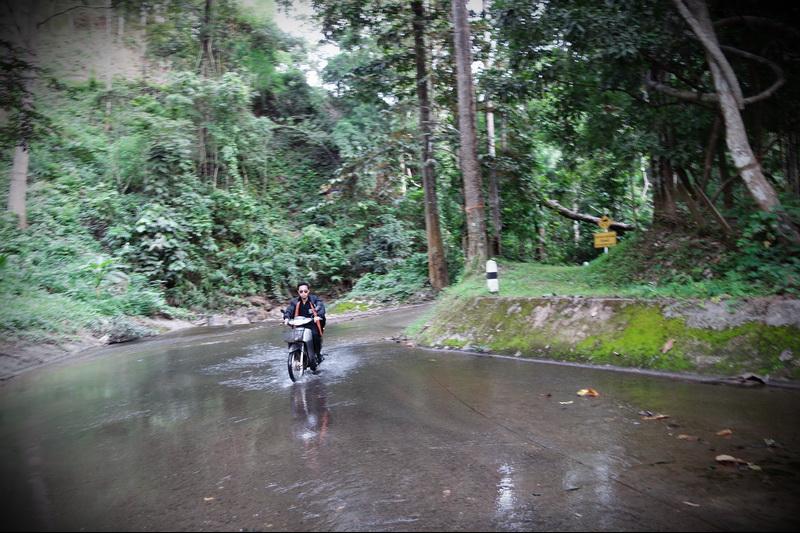
Long Neck village Ban Huay Sua Tao is close from Mae Hong Son city about 30 minutes from the Phraya Singhanatracha Memorial (the monument of the first governor of Mae Hong Son) that is located at the foot of Wat Phrathat Doi Kong Mu. From the main highway 108 Highway No. 108. When you see Bon Voyage Gate turn right onto Route 128 drive about 200 m. try to slight left onto Route 1250 and drive pass Klai Rung reservoir about 8.5 Kms.(crossings slippery road with green moss) slight left again onto rural road No. 4012.
Ban Huay Sua Tao itself consists of a short pedestrian street lined with handicraft stalls, and bamboo and wooden huts behind on a hill slope. You aren’t encouraged to visit the private houses and when we went, vendors on the main street were friendly and chatty, there was certainly no hard sell. Kayan women have traditional looms in their shops so you can see them weaving the sarongs and scarves that they offer for sale.
There is a bulletin board around the entrance and it shows messages in English from the villagers to visitors as follows. This village is not a theme park but a place where people spend their daily lives.
- We welcome you as a guest in our village, but as that you respect that it is a village where everybody carries on their daily life. It is not a specially built theme park and as such you should not leave littler or walk into peoples’ houses without invitation.
- The people of Ban Huai Suea Thao are used to visitors and are happy to pose for photos, but please ask first. It would be a good gesture to purchase from their shop in return.
- The girls who wear the rings, in particular, are often happy to speak to a few visitors to the best of their ability. Please use discretion when it comes to asking personal questions.
Entracce Fee :
Entrance fees are 250 baht per person, 200 baht actually goes to the village, with 50 baht going to the local council for road maintenance and public utilities. Villagers, with only refugee status, have limited land of their own on which to grow crops, so families are largely supported through tickets and sales of handicrafts to visitors.